If half your residents turn over, retention is a profit issue. In Jacksonville, one move-out can cost about $4,000, and local turnover sits near 50%.
If I had to cut this article down to the main point, it would be this: keep residents by fixing issues fast, staying in touch, sending renewal offers early, and keeping the property in good shape. In Jacksonville, that matters even more because heat, humidity, heavy rain, and storm risk can turn small maintenance delays into lease non-renewals.
Here’s the short version:
- Maintenance speed matters most, especially for A/C, leaks, and storm damage
- Clear updates reduce complaints and help residents feel looked after
- Early renewals work better than last-minute offers, especially with small perks
- Routine upkeep helps stop mold, pest, and moisture problems before they spread
- Screening and move-in standards shape whether a resident stays long term
- Good management systems help larger properties do all of this the same way across every unit
Quick Comparison
| Strategy | Main goal | Best reason it works in Jacksonville |
|---|---|---|
| Professional management | Keep service, renewals, and records on track | Larger properties need repeatable systems |
| HVAC and storm maintenance | Cut resident stress and avoid damage | Heat, rain, and humidity put more strain on buildings |
| Portals and communication | Keep residents informed | Storm prep and repair updates matter a lot here |
| Early renewal offers | Lower non-renewals | New supply gives renters more choices |
| Amenities and inspections | Keep the property feeling cared for | Older communities need to compete with newer ones |
| Screening and move-in | Lower problem leases and early move-outs | Bad placements can lead to eviction and turnover costs |
Bottom line: if you want more renewals in Jacksonville, I’d focus first on A/C response times, leak prevention, resident updates, and renewal timing. Those four items have the biggest effect on whether people stay or go.
sbb-itb-73b3b1a
Why Tenant Retention Is a Jacksonville Apartment Priority
When a resident moves out, the meter starts running right away. One non-renewal can cost a property owner about $4,000 once you factor in vacancy loss, make-ready work, and leasing fees. And that hit doesn’t stop at one line item. Each non-renal piles on more vacancy loss, more turn work, and more leasing costs.
The main reasons residents choose not to renew are pretty straightforward: high rent, slow maintenance, and security concerns. If rent increases aren’t explained clearly, people are more likely to leave – especially when newer nearby properties make them feel like they should be getting more for the money. That puts pricing, service, and move-in execution at the center of retention.
A strong move-in experience and fast maintenance response can improve the odds of renewal. In Jacksonville, that carries extra weight. HVAC problems and moisture issues can’t sit for days while someone waits for an update. Residents notice fast when service is slow, and they notice just as fast when problems get handled well.
Florida notice rules also make early renewal communication a must. And documented move-in and move-out inspections help protect both sides if a dispute comes up later.
That’s why maintenance speed, clear communication, and renewal timing sit at the heart of tenant retention. The next sections break down how management, maintenance, communication, and renewals work together to keep residents in place.
1. Partner With a Jacksonville Apartment Management Expert Like 1 Realty Management
These retention tactics work best when one team handles them the same way, every time. Tenant retention usually doesn’t come from one big fix. It comes from a connected system: screening, maintenance, communication, and renewals all working together. A Jacksonville property management partner helps keep those pieces aligned.
Renewal Impact
A professional management team doesn’t wait until the last minute to talk about renewals. They usually start outreach 90 to 120 days before a lease ends and pair that timing with resident perks like credit building, identity protection, and rewards programs. That matters because 71% of renters consider a benefits package important, but only 42% currently have access to one. When residents hear from management early and get steady follow-through, renewals tend to feel less chaotic and more predictable.
Timing matters, but in Jacksonville, day-to-day service can make or break the resident experience.
Jacksonville Climate Fit
In a hot, humid market like Jacksonville, HVAC issues can turn into headaches fast. A scheduled air filter delivery program can reduce HVAC-related work orders by 38% and lower resident energy bills by about 10%. That means fewer maintenance requests, lower utility costs, and less day-to-day stress for residents.
Florida Compliance Support
Management also keeps the back-office side of the rental running cleanly. That includes deposits, Fair Housing compliance, screening, and lease files. Clean records, correct deposit handling, and solid screening help cut down on the kind of friction that often pushes residents to leave.
Stagger Renewals and Price to Market
Professional managers use local market data to price renewals fairly and keep rent increases competitive. They also stagger lease expirations, which helps avoid vacancy spikes and last-minute turn costs.
That kind of coordination leads straight into the next retention lever: faster maintenance response.
2. Make HVAC and Storm-Related Maintenance a Fast-Response Priority
In Jacksonville, maintenance speed is a retention test. When residents see repairs happen fast, they’re more likely to stick around.
Jacksonville Climate Fit
Jacksonville’s heat, humidity, and heavy rain put extra stress on HVAC systems, roofs, and exterior surfaces. That wear adds up fast.
After a storm, inspections need to happen right away. The goal is simple: catch water intrusion before it turns into mold or pest issues, which can spiral fast in Jacksonville’s climate. A small missed leak today can become a much bigger headache by next week.
A few basics matter here:
- Service HVAC systems twice a year, and replace filters monthly to cut down on summer breakdowns.
- Check gutters and roofs before hurricane season, not after the damage is already done.
Renewal Impact
Maintenance response doesn’t just affect work orders. It shapes renewals too.
Residents who are satisfied with maintenance response are 25% less likely to plan a move and three times more likely to recommend their property manager.
Set Clear Response Standards
A small storm leak can turn into mold or structural damage fast. That’s why response standards need to be clear and easy to track.
Set expectations like this:
- 24 hours for emergencies
- 48–72 hours for urgent issues
- 5–7 business days for routine requests
Then track every request in the tenant portal from submission through completion.
Clear response timelines only work if residents get updates on time too.
3. Keep Residents Informed With Clear Communication and Online Portals
Fast maintenance is only half the job. Residents also need to know what’s happening while the work moves forward. When updates stop, frustration steps in – even if the repair itself is on schedule. That same sense of urgency needs to show up in communication, not just in the fix.
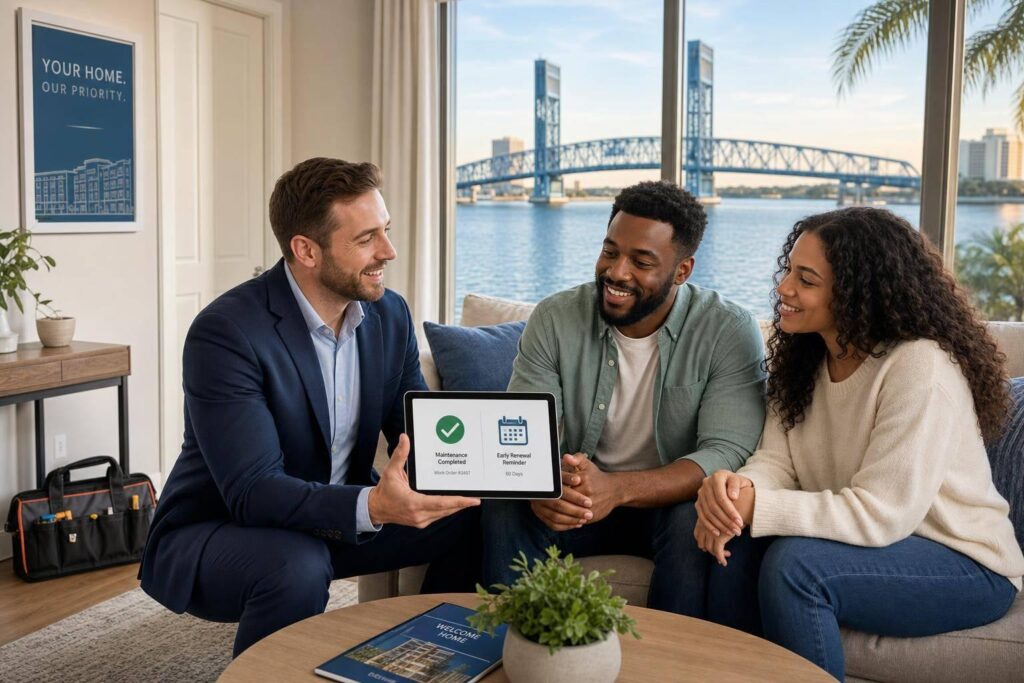
Slow updates can feel like poor service, even when the issue is being handled. Proactive communication systems can cut tenant complaints by as much as 35%. And satisfied residents are 73% more likely to renew their leases.
Renewal Impact
Use the portal as a retention tool, not just a handy feature. It helps residents track repair status, receive notices, and sign leases online. That removes friction at key moments in the resident experience.
Jacksonville Climate Fit
Jacksonville gets 117 rainy days each year. So residents need updates that are timely and specific – not generic blasts that could apply anywhere. Use the portal to send automated storm prep checklists before hurricane season and HVAC filter reminders before summer heat sets in. Small touches like these show residents that management is paying attention to Jacksonville’s seasonal patterns.
Florida Compliance Support
Online portals can also help with compliance. Florida law requires landlords to give 24-hour notice before entering a unit. Security deposits must be returned within 15 days if no claim is made, or within 30 days if a claim is made with an explanation.
When maintenance updates and lease communications are logged in the portal, you have a clear record of what was sent and when. That paper trail can help with day-to-day issues, and it also makes renewal conversations smoother when the lease term starts coming up.
When residents get timely updates, renewal offers tend to land better.
4. Send Lease Renewal Offers Early and Back Them With Market-Based Incentives
Once residents are getting timely updates, shift the conversation to renewal before they start lining up other options. In most cases, that means reaching out 60 to 90 days before lease expiration. That window gives residents time to make a decision before they start shopping other units. It also gives you time to present a fair rent increase and a small perk before they commit elsewhere.
Renewal Impact
Early outreach gives you room to look at payment history, check how well a reliable resident has cared for the unit, and put together an offer that feels deliberate instead of last-minute. That matters, because a vacancy usually costs far more than a modest renewal concession.
Rent increases are part of the job, but the structure matters. Annual increases in the 3% to 5% range are often accepted without much resistance, while increases above 15% come with a much higher risk of non-renewal. In plain terms, the math often works better when you keep a reliable resident with a modest increase instead of gambling on a vacancy.
The next move is simple: pair that increase with a low-cost incentive that feels useful in Jacksonville.
Use Low-Cost Perks to Justify the Increase
A renewal offer doesn’t have to rely on price alone. Small upgrades can go a long way when they give residents something they can see and use every day. Smart thermostats, keyless entry, and energy-efficient appliances are good examples. They don’t cost much compared with a turnover, but they give residents a clear reason to stay and help support a market-rate increase at the same time.
Florida Compliance Support
Send renewal terms early enough to meet Florida notice rules and avoid month-to-month holdovers. Miss that window, and a lease can slip into month-to-month status, which creates extra hassle and less control over the next step.
5. Maintain Amenities, Safety Standards, and Scheduled Inspections
Fast repairs help keep residents happy. But steady upkeep matters just as much, because it cuts down on problems before they start.
When common areas are clean, amenities work, and safety systems are up to date, residents can see that management is paying attention. That day-to-day care shapes how people feel about the property, especially when lease renewal time comes around.
Renewal Impact
Clean shared spaces and working amenities can make a big difference in renewal decisions. In Jacksonville’s competitive rental market, some of the strongest renewal drivers include modern fitness centers, shared workspaces, package locker systems, green spaces, and smart home features like keyless entry and smart thermostats.
If those features are advertised but not kept in good shape, residents notice fast. On the other hand, when they work as expected, the property feels like a place worth staying in.
Jacksonville Climate Fit
Jacksonville’s climate puts extra pressure on routine checks. Moisture, storms, and pests aren’t occasional issues here – they’re part of the job.
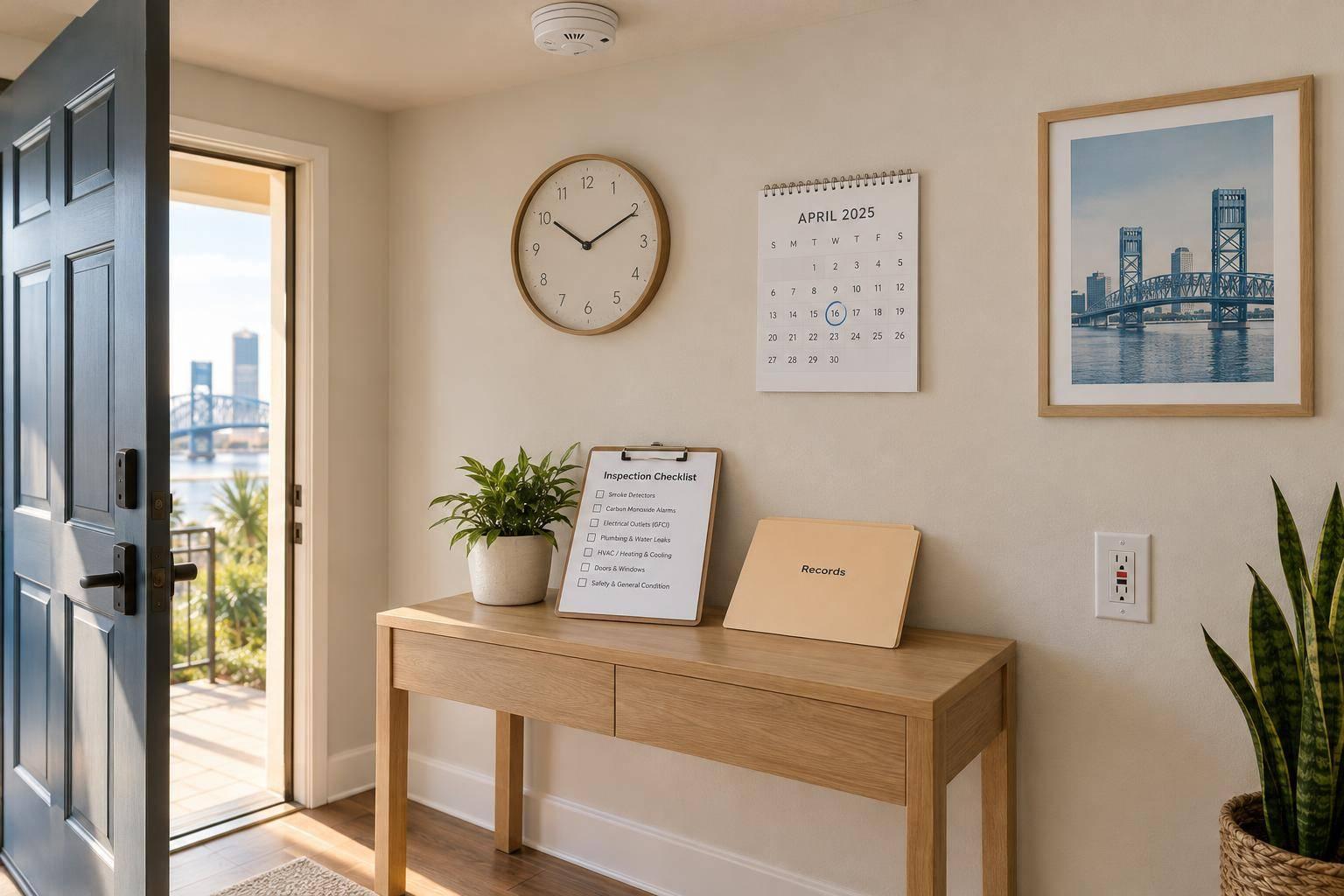
That means monthly plumbing checks, mold monitoring, and pest spot checks for termites and roaches are practical must-dos. Gutters should be cleared before hurricane season, and roofs and fascia need inspection before the rainy season picks up.
Use this inspection cadence:
| Frequency | Key Tasks |
|---|---|
| Monthly | HVAC filter replacement, plumbing leak checks, smoke/CO detector testing, and pest/mold spot checks |
| Seasonal | Gutter cleaning before hurricane season, HVAC tune-up in spring and fall, and storm shutter readiness checks |
| Bi-Annually | Full property walkthrough to catch deferred maintenance |
| Annually | Roof inspection, water heater flush, and GFCI outlet and emergency exit audit |
Florida Compliance Support
Florida requires 24-hour notice before non-emergency entry. Scheduled inspections also create a paper trail of the property’s condition. That record can help protect ownership against liability and support lease enforcement when community standards are not being met.
Operational Cost Control
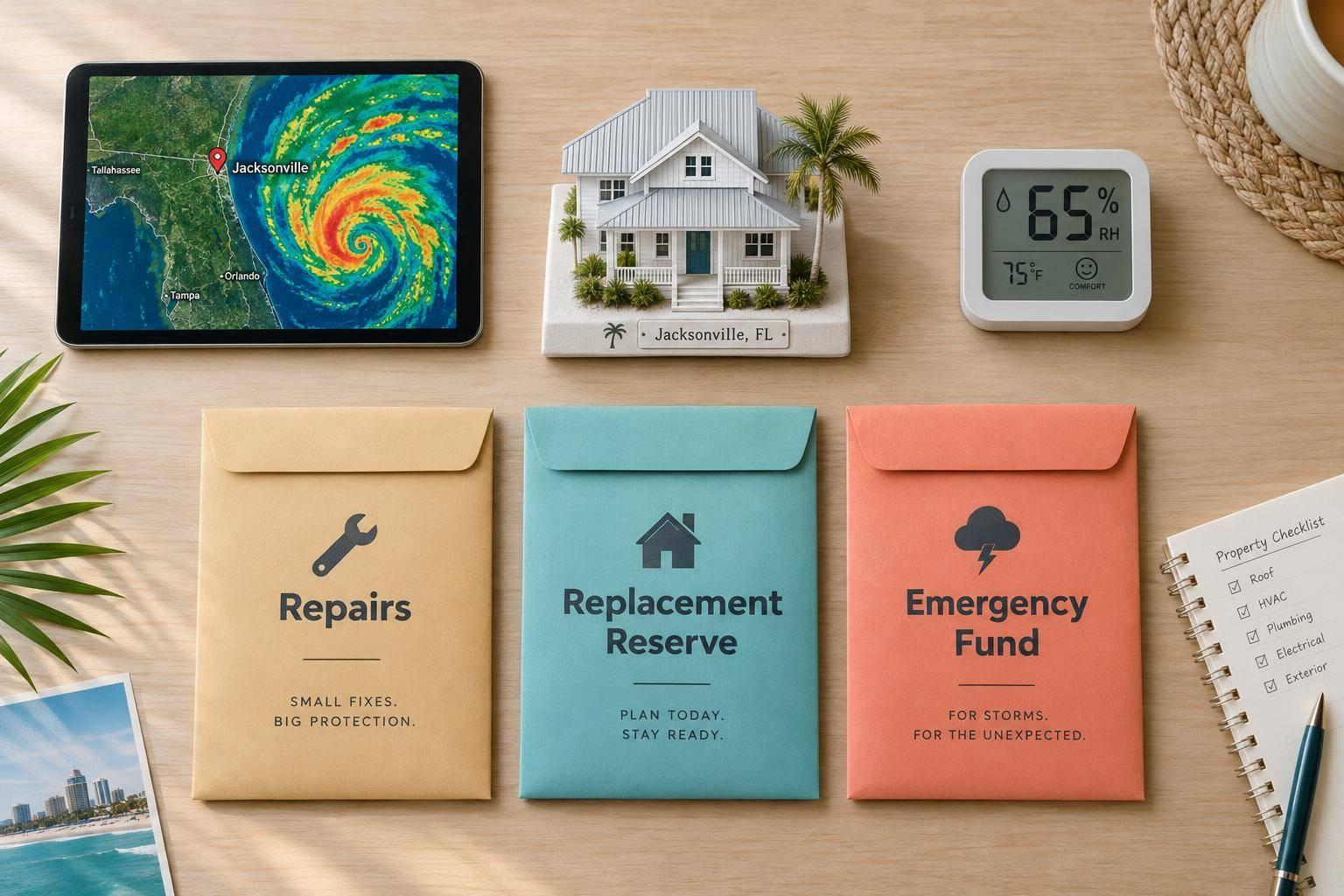
Set aside 1%–3% of the property’s value each year for maintenance and emergency repairs to avoid deferred-cost spikes.
Once a property feels consistently maintained, the next test for retention is whether move-in standards and screening set the right expectations from day one.
6. Screen Tenants Well and Set the Right Tone From Move-In Day
After maintenance, communication, and renewal timing, the next big driver of retention is simple: who you place in the unit and how that resident’s first day goes.
It starts with screening and a unit that’s clean and ready for move-in. Screen for stable income, a clean rental history, and no eviction record. In Duval County, more than 13,700 eviction filings were recorded in a single year. Skip that check, and you increase the odds of nonpayment, turnover, and a lease that ends badly.
Renewal Impact
Residents with stable income and a strong rental track record are more likely to pay on time and stay through renewal. That means fewer vacancy gaps and lower turnover costs.
A fully cleaned, repaired, move-in-ready unit also helps lease faster. Just as important, it sets the tone from day one. If a resident walks into a place that feels cared for, expectations are clearer and trust starts earlier.
Jacksonville Climate Fit
Clean repairs matter, but they only go so far if residents don’t know how to protect the unit after move-in.
At move-in, show residents how to use the HVAC system the right way and tell them to report moisture issues right away. That step matters in Jacksonville, which gets 117 rainy days per year. If moisture sits too long, small problems can turn into mold issues fast.
It also helps to give residents a simple storm checklist at move-in, including:
- Emergency contacts
- Steps for securing outdoor items
Florida Compliance Support
Use the same screening standards for every applicant. If your process changes from one person to the next, you open the door to Fair Housing risk. It can also lead to disputes and early move-outs that hurt retention.
Florida law also calls for certain disclosures at lease signing, including radon, lead-based paint, and security deposit handling procedures. Move-in photos matter too. They give you a clear record of the unit’s condition and help prevent later disputes.
Operational Cost Control
Thorough screening lowers the chance of an eviction, and evictions in Jacksonville can drag on for weeks or even months. Avoiding one bad placement can save thousands of dollars in legal fees, lost rent, and repair costs.
Income should also be verified at a minimum of 3x the monthly rent through pay stubs, bank statements, or employer verification, not self-reported figures.
Screening and move-in execution are the last checkpoint before your renewal plan even has a chance to work.
Side-by-Side Look at the 6 Retention Strategies
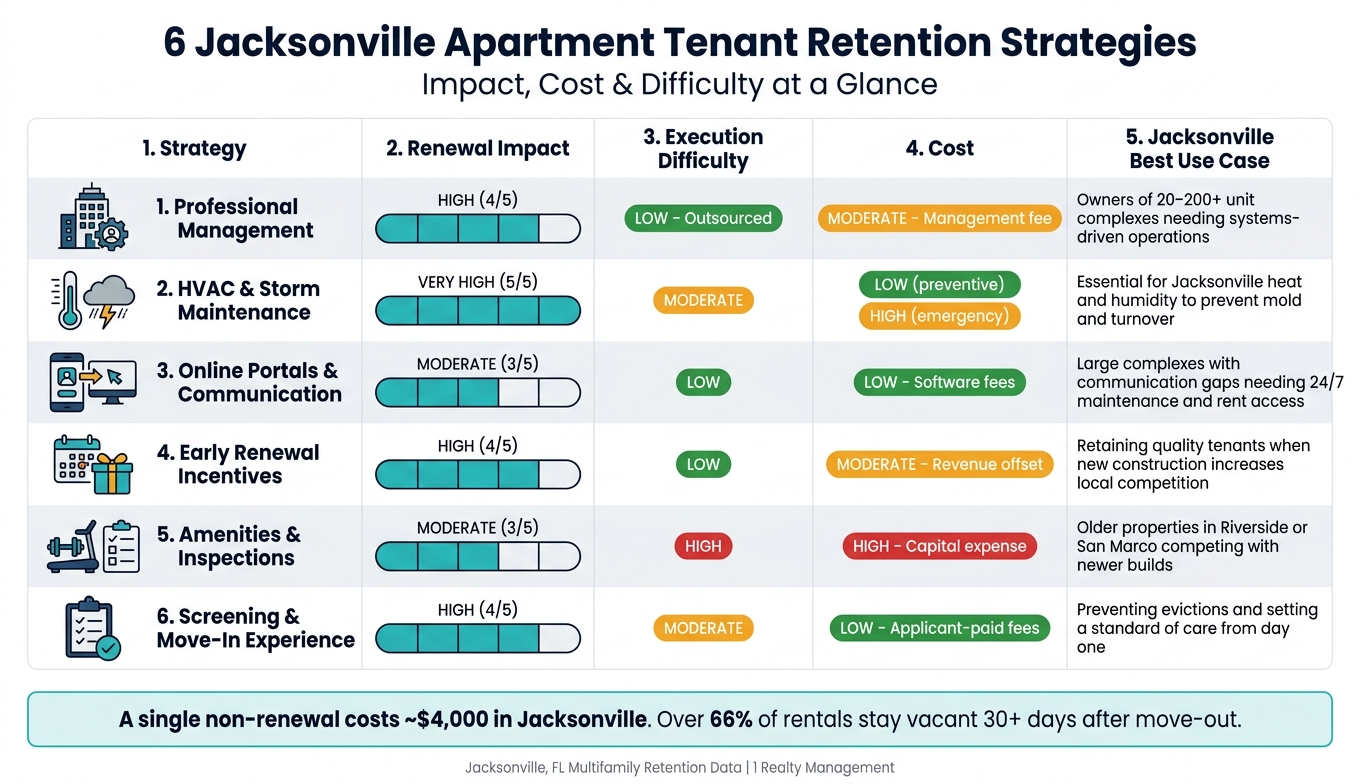
6 Jacksonville Apartment Tenant Retention Strategies: Impact, Cost & Difficulty
The six tactics above don’t all work at the same speed. Some can move retention fast. Others take more time, money, or hands-on effort. This comparison breaks down which options tend to have the biggest payoff for multifamily owners in Jacksonville.
| Strategy | Renewal Impact | Execution Difficulty | Cost | Jacksonville Best Use Case |
|---|---|---|---|---|
| 1. Professional Management | High | Low (Outsourced) | Moderate (management fee) | Owners of 20–200+ unit complexes needing systems-driven operations |
| 2. HVAC & Storm Maintenance | Very High | Moderate | Low (Preventive) to High (Emergency) | Essential for Jacksonville’s heat and humidity to prevent mold and turnover |
| 3. Online Portals & Communication | Moderate | Low | Low (Software fees) | Large complexes with communication gaps that need 24/7 access to maintenance requests and rent payments |
| 4. Early Renewal Incentives | High | Low | Moderate (Revenue offset) | Retaining quality tenants when new construction increases local competition |
| 5. Amenities & Inspections | Moderate | High | High (Capital expense) | Older properties in Riverside or San Marco competing with newer builds |
| 6. Screening & Move-In Experience | High | Moderate | Low (applicant-paid fees) | Preventing evictions and setting a standard of care from day one |
A couple of patterns stand out right away.
Amenities upgrades are harder to pull off because they call for large upfront costs. That makes them a better long-term move, especially for older properties trying to keep up with newer communities.
Screening and move-in execution matter early because they shape how residents feel from day one. If that first part goes badly, maintenance, communication, and renewal efforts are already playing catch-up.
The next section turns the maintenance row into clear response-time standards.
Maintenance Response Time Standards That Build Resident Trust
Residents stay longer when they know maintenance will respond fast, give clear updates, and finish the job on time. But those standards mean nothing if people can’t see steady follow-through. That’s why tighter service windows and immediate acknowledgment matter so much.
Use these benchmarks for Jacksonville’s most common service requests:
| Priority Level | Acknowledge | Resolve | Jacksonville Examples |
|---|---|---|---|
| Emergency | Within 1 hour | Within 4 hours | A/C failure during 90°F+ weather, burst pipes or flooding, gas leaks, major storm damage, or total power loss |
| Urgent | Within 4 hours | Within 24 hours | Partial power loss, broken water heater, minor plumbing leaks, or roof issues after heavy rain |
| Routine | Within 24 hours | 24 to 48 hours | Dripping faucets, interior door repairs, cabinet hardware, or pest control requests |
Clear timing works best when communication stays active from the first request through the final fix.
In Jacksonville, a full A/C failure during extreme heat isn’t a small inconvenience. It’s a habitability issue. Florida landlord-tenant law requires owners to keep units safe and habitable, and failing to act on valid requests can expose owners to legal liability or rent withholding.
The practical way to hit these targets is with a vetted local vendor network. When service is fast and predictable, renewal conversations tend to go a lot smoother in the next step.
Lease Renewal Options That Balance Resident Retention and Revenue
Once maintenance is dependable, lease renewals become the next big retention tool. The aim is simple: keep good residents without pushing rent so high that they leave. And after you decide on the offer, the way you roll it out often matters more than the format itself.
There are three main renewal paths, and each one fits a different type of resident and property goal:
| Renewal Approach | Rent Adjustment | Best For | Revenue Effect |
|---|---|---|---|
| 12-Month Renewal | 3%–5% increase | Residents likely to accept cost-of-living adjustments | Stable, predictable income growth |
| 24-Month Renewal | Capped increases (e.g., 3% per year) | Residents who need long-term budget certainty | Eliminates one full turnover cycle; may lag rapid market spikes |
| Incentive-Based Renewal | Market rate + one-time credit or perk | Residents on the fence who respond to feeling valued | Variable; a small perk costs far less than a vacancy |
In Jacksonville, pricing follows the market. So the key call is whether a bigger rent increase is worth the risk of a nonrenewal. If your increase lands well above similar local units, there’s a good chance you’ll lose a resident who might have stayed.
At larger properties, this tends to work best when management uses the same renewal options across the board and tracks results by lease cycle.
How Professional Management Supports Retention Across Larger Properties
Once a property gets big enough, self-managing it starts to break down. A 20-, 30-, or 100-unit apartment complex needs systems, not one-off calls. That matters most when the property is large enough that small problems can spill into renewals fast.
As the unit count climbs, maintenance, compliance, and resident communication get harder to keep in check. The main edge of professional management is simple: the same process gets applied across every unit.
At larger properties, management needs to standardize screening, maintenance, renewals, rent collection, and reporting. 1 Realty Management handles those functions the same way across Jacksonville complexes, including onsite maintenance teams for communities with 50 or more units to keep response times tight and stop deferred maintenance from piling up. That kind of consistency tends to show up first in maintenance speed and how renewals are handled.
For owners dealing with high vacancy or delayed repairs, the first job is a stabilization plan for occupancy and repairs. After that, the focus shifts to turning that control into clear maintenance and renewal standards.
Conclusion
Taken together, these tactics build a retention system, not a set of one-off fixes. In Jacksonville’s humid, storm-prone market, consistency matters most. Retention comes from doing the basics well, again and again: fast maintenance, clear communication, early renewals, and strong property upkeep.
The cost of getting this wrong is real. A single non-renal can cost about $4,000, and more than 66% of rental properties stay vacant for 30 days or longer after a tenant moves out. That kind of loss cuts straight into annual revenue.
Residents want responsive service, fair treatment, and a property that still feels cared for after move-in. For larger Jacksonville properties, 1 Realty Management helps keep systems steady across maintenance, renewals, screening, and reporting. That kind of consistency can turn retention into a lasting revenue edge.
FAQs
Which retention strategy should I start with first?
Start with a full property review so you have a clear performance baseline. Look closely at your rent roll, maintenance needs, lease compliance, and day-to-day operations.
This audit helps you spot the best near-term chances to cut vacancy, improve resident retention, and support net operating income.
How early should I send renewal offers in Jacksonville?
In Jacksonville, start the lease renewal process 60 to 90 days before the lease ends. That timing helps you stay within Florida’s 30- to 60-day notice window for renewal terms, rent changes, or non-renewal.
It also gives you enough time to review the tenancy, put the offer together, and market the unit fast if the tenant decides not to renew.
What maintenance issues cause the most non-renewals?
In Jacksonville, slow or poor maintenance response is one of the main reasons tenants choose not to renew. When repairs get ignored, tenants often take it as a sign that the landlord doesn’t care. And once that feeling sets in, trust starts to slip.
A few issues tend to push people over the edge:
- HVAC failures, especially in the summer heat
- Mold, water damage, and plumbing leaks
- Persistent pest problems