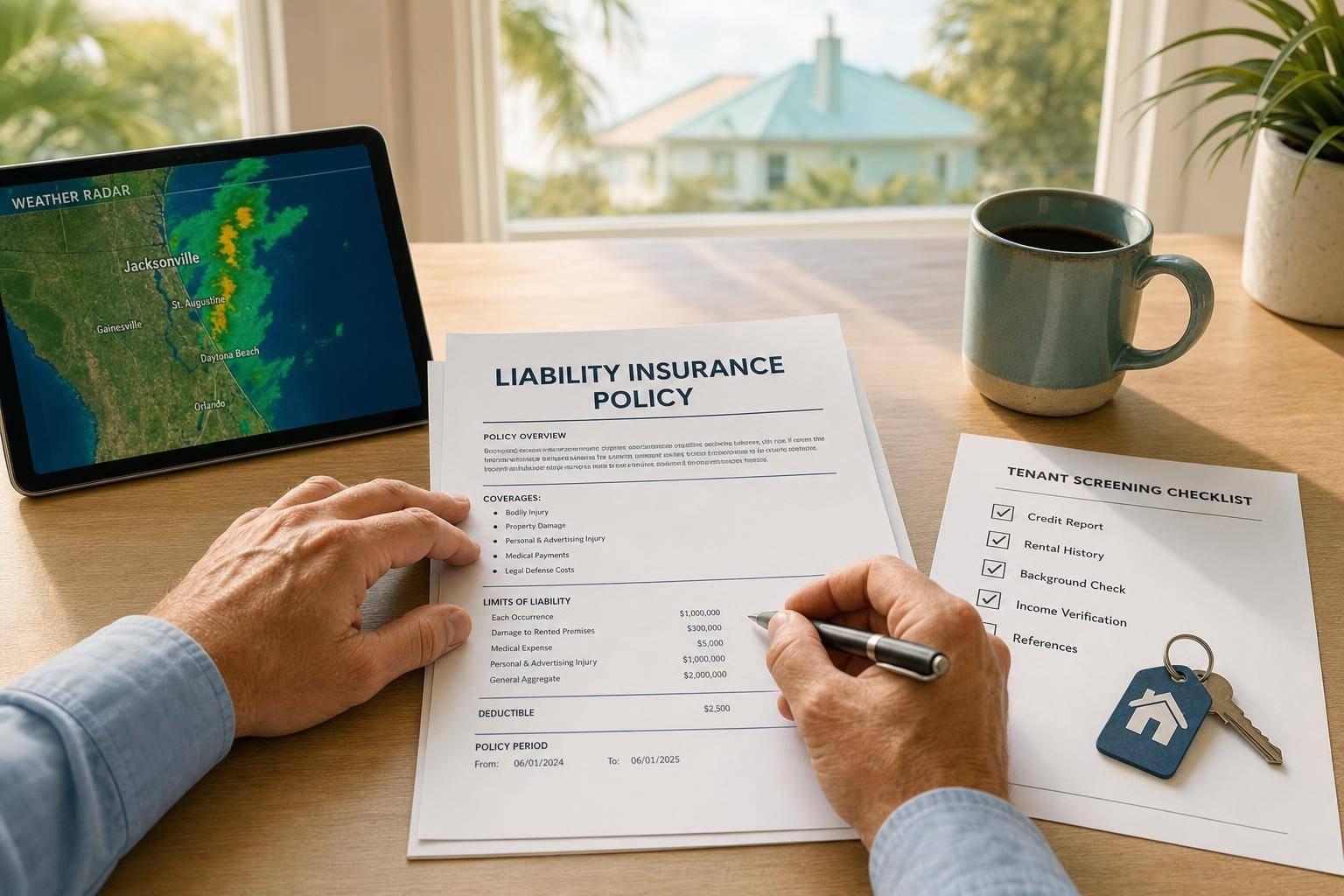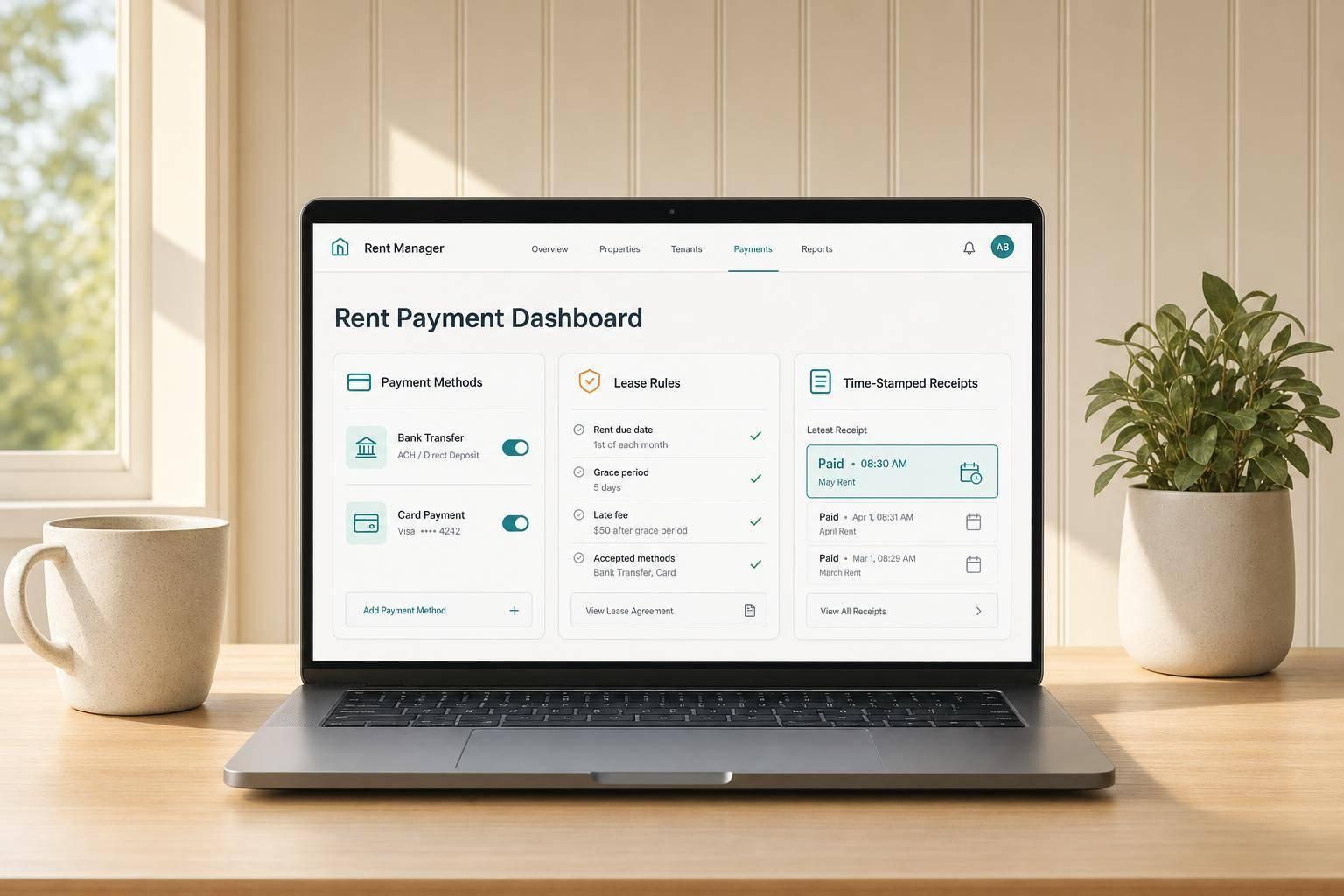
If I own a rental in Jacksonville, I should expect liability insurance pricing to swing based on storm exposure, property condition, claim history, and how I manage tenants. Jacksonville gets 117 rainy days a year, and Duval County saw 13,744 eviction filings in one year. Those two numbers alone help explain why pricing is not simple.
Here’s the short version:
- Liability insurance pays for claims tied to injury or property damage when I’m held legally responsible.
- It does not cover everything. Tenant belongings and some claim types often need other coverage.
- Costs tend to climb for older roofs, moisture issues, coastal exposure, pools, pets, short-term rentals, and past claims.
- Costs may drop when I keep up with repairs, document safety work, screen tenants the same way each time, and require renters insurance.
- Quote comparisons only make sense when coverage matches – same limits, same deductible, same add-ons, same exclusions.
A few points matter most if I want a usable estimate:
- Jacksonville weather can lead to more water, mold, and slip-and-fall risk
- Tenant conflict can add legal and habitability claim risk
- Many landlords ask tenants to carry at least $100,000 in liability coverage
- A cheap policy can still leave out problem areas like water intrusion or wrongful-eviction-related claims
| What affects the price most | What I should watch |
|---|---|
| Weather and location | Coast, flooding, wind, humidity, drainage |
| Building condition | Roof age, plumbing, HVAC, maintenance records |
| Tenant and use risk | Evictions, turnover, pets, pools, short-term stays |
| Policy setup | Coverage limit, deductible, endorsements, exclusions |
| Management habits | Inspections, repair speed, claim history, documentation |
If I’m shopping for coverage, the smart move is simple: set the right limit first, gather property details, compare equal quotes, and read the exclusions before I bind the policy.
What Liability Insurance Covers and What It Does Not
Landlord liability insurance covers specific legal risks. It doesn’t cover everything, and that line matters. In many cases, narrower coverage can mean a lower premium.
Liability Risks Covered for Jacksonville Rental Properties
Landlord liability insurance helps when someone says you’re legally responsible for bodily injury or property damage at your rental.
In Jacksonville, property management companies often require tenants to carry renters insurance with at least $100,000 in personal liability and property damage coverage. That can help cut down tenant-related exposure.
Claims That Are Often Excluded or Require Separate Coverage
Some claims fall outside a landlord liability policy. Two common examples are personal belongings and professional-liability claims.
| Claim Type | Typically Covered by Landlord Liability Policy | Usually Requires Separate Coverage |
|---|---|---|
| Bodily injury to tenants or visitors | ✓ | – |
| Property damage you’re legally responsible for | ✓ | – |
| Tenant’s personal belongings | – | Tenant’s renters insurance |
| Professional-liability claims | – | Separate professional liability coverage |
This is where policy details start to matter. Gaps in coverage can affect premiums, endorsements, and the policy you choose. Coverage scope also shapes price, so the next step is to compare limits and exclusions.
sbb-itb-73b3b1a
What Raises or Lowers Liability Insurance Costs in Jacksonville
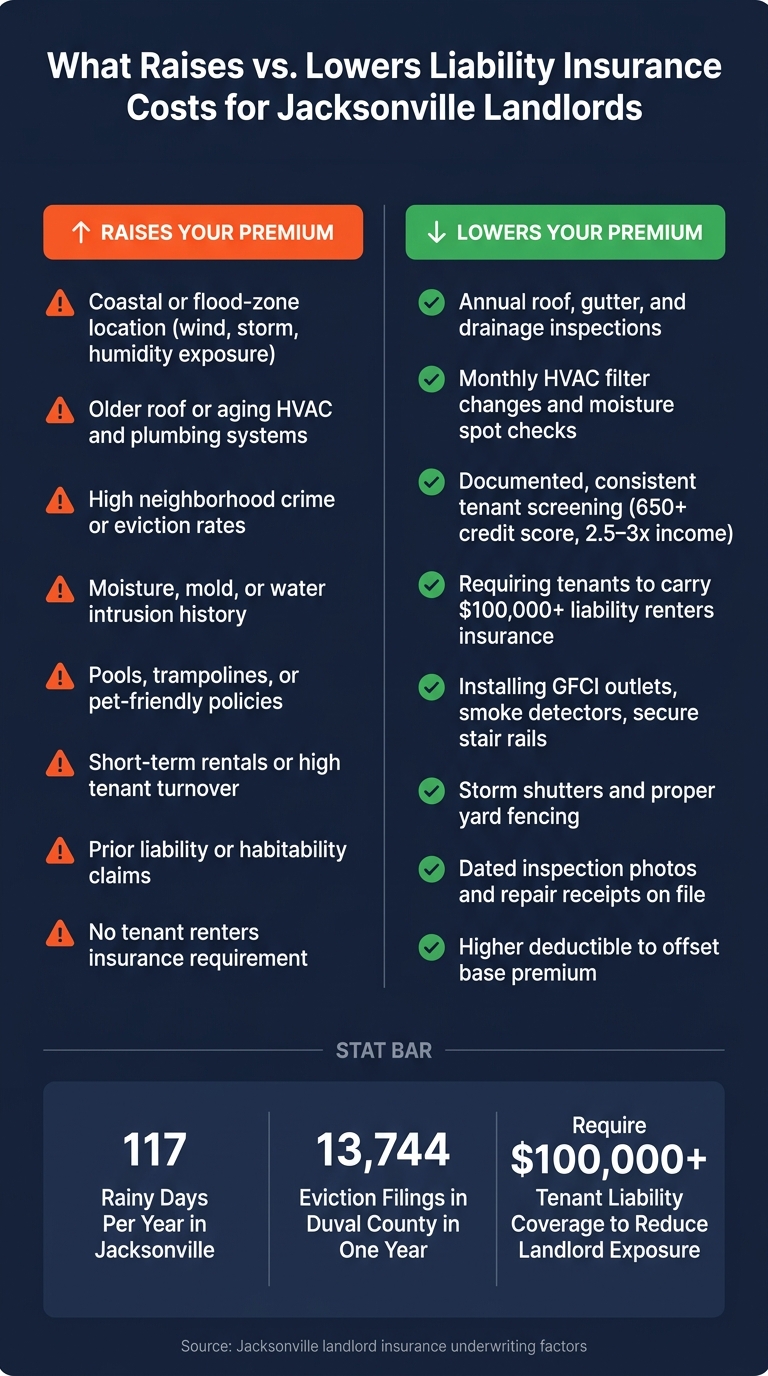
What Raises vs. Lowers Liability Insurance Costs for Jacksonville Landlords
Once you know what the policy covers, the next step is price. And this is where things can split fast. Two rentals that look pretty similar on paper can end up with very different premiums.
Why? It usually comes down to three things: location, property condition, and day-to-day management.
Jacksonville Property Risks That Affect Premiums
Jacksonville’s subtropical climate is one of the first things underwriters review. The city gets 117 rainy days per year, and its coastal location puts properties in the path of hurricanes, tropical storms, and heavy humidity. If a rental sits in a flood-prone area or closer to the coast, insurers will often rate it as a higher-risk property than one farther inland.
Neighborhood conditions matter too. Areas with more crime or more evictions often cost more to insure.
Then there’s the building itself. Roof age and condition matter a lot, especially in a city where wind and storms are part of the deal. Older HVAC and plumbing systems can also push risk up when upkeep falls behind. Simple maintenance can help here. Regular checks of the roof, gutters, and moisture-prone areas can cut down on water intrusion and mold claims.
Policy and Operating Factors That Affect Premiums
Policy setup also changes the price. Higher coverage limits usually mean higher premiums, while deductible choices can shift costs in the other direction. Features like pools, trampolines, and pet-friendly rental rules can add more liability exposure.
The way a landlord runs the property matters just as much. Prior liability or habitability claims often lead to higher renewal costs. High tenant turnover and short-term rentals can push premiums up too. In practice, some of the biggest price jumps come from a small group of pretty predictable property and policy choices.
| Pricing Factor | Likely Effect on Cost | Risk-Control Response |
|---|---|---|
| Coastal/Storm Exposure | Increases premiums significantly | Maintain roof and gutters; install storm shutters |
| Neighborhood Crime/Evictions | Raises perceived liability risk | Use documented, consistent tenant screening policies |
| Roof Age/Condition | Older roofs drive premiums higher | Annual inspections of shingles, flashing, and fascia |
| Moisture/Mold Exposure | High humidity increases mold liability | Monthly HVAC filter changes and moisture spot checks |
| Pools/Trampolines | Adds liability risk and cost | Ensure proper fencing; increase liability limits |
| Pet Exposure | Raises injury liability risk | Require pet screening and additional renters insurance |
| Safety Features | Documented features can lower premiums | Install GFCI outlets, smoke detectors, and secure stair rails |
| Past Claims | Significant premium increases at renewal | Address maintenance issues before they escalate to claims |
| Tenant Liability Coverage | Lack of it leaves the landlord’s policy as primary | Require $100,000+ tenant liability insurance in the lease |
How Jacksonville Landlords Can Cut Premiums Without Losing Key Protection
In Jacksonville, where storm risk and tenant disputes can drive claims, the best way to save money is to show insurers that your rental is less likely to cause trouble.
How to Compare Quotes on Equal Terms
When you ask for quotes from multiple insurers, keep the details the same across every policy. That means using the same liability limit, deductible, and endorsements each time. If one quote includes wrongful-eviction coverage and another leaves it out, you’re not looking at the same thing.
A lot of landlords make one big mistake here: they cut liability limits just to get a lower price. That can backfire fast. Duval County recorded 13,744 eviction filings in a single year, so legal risk tied to tenants is a real issue for Jacksonville landlords.
Once the quotes line up, the next step is simple: focus on the property and show every step you’ve taken to reduce risk.
Property Safety and Documentation Steps That Can Lower Risk
Start with clear records. Document safety updates like smoke detectors, fenced yards, and securely installed appliance safety checks. Hold on to dated inspection photos, repair receipts, and tenant insurance certificates.
Tenant insurance matters too. Requiring renters to carry renters insurance with at least $100,000 in liability and property damage coverage can lower your out-of-pocket risk.
It also helps to use a written screening standard, such as:
- Income of 2.5 to 3 times the monthly rent
- A 650+ credit score
- Criminal background checks
Good records make these risk controls easier for insurers to review and price. When you can show the rules, the paperwork, and the upkeep, you give them fewer reasons to treat the property as a higher-risk rental.
Building a Sound Coverage Plan and Day-to-Day Management Process
Choosing Limits, Gathering Quote Data, and Reviewing Exclusions
Set liability limits based on asset exposure, not just the premium. If a single claim could go past your base policy, add an umbrella layer.
Before you ask for quotes, pull together the property details insurers use to price the policy:
- Property address
- Unit count
- Construction type
- Occupancy type
- Year built
- Roof age
- Replacement-cost estimate
- Major system updates, including HVAC, plumbing, and electrical
- Special features, such as fenced yards, detached structures, and pools
It helps to list fenced yards, detached structures, and similar features separately. That way, the quote lines up with the property’s actual risk.
After the quotes come in, read the exclusions before you sign. A low quote can look good at first glance but still leave gaps, especially for water intrusion, moisture damage, and drainage-related claims.
How Property Management Practices Can Support Lower Risk
Once the quote terms make sense, daily operations become the next big factor in lowering risk.
Day-to-day management affects both the tenant experience and how insurers price the property. Prompt maintenance, written inspection records, regular HVAC filter changes, and a clear incident log show underwriters that the property is being managed with care instead of left to chance. In Jacksonville, that matters even more. Moisture checks, drainage upkeep, and roof inspections speak directly to the storm and humidity exposure that can push premiums higher.
This is why it helps to spell out who handles what between the owner, manager, and insurance professional. 1 Realty Management can support tenant screening, lease execution, and maintenance coordination, which can help keep risk steady. The table below shows the usual split, though the actual duties depend on Florida law, your lease, and your management agreement.
| Role | Typical Responsibilities | Impact on Insurance/Liability |
|---|---|---|
| Property Owner | Chooses coverage limits, approves major system updates, and pays premiums. | Sets the base risk profile used in underwriting. |
| Property Manager | Tenant screening; lease execution; documented inspections; maintenance coordination; incident tracking. | Lowers claim frequency through hazard control and good records. |
| Insurance Professional | Reviews property risks; flags exclusions; provides quotes based on property features and loss history. | Turns the property’s risk profile into premium pricing and coverage terms. |
Conclusion: Key Cost Ranges, Pricing Drivers, and Next Steps
With pricing terms and risk controls in place, the last step is to compare the same coverage across every quote.
Jacksonville cost benchmarks are only a starting point. Premiums still hinge on age, flood-zone status, and maintenance. Choose a liability limit that fits your asset exposure, factor in Jacksonville risks like wind and moisture, and compare quotes using matching coverage terms. Before you bind anything, read the exclusions closely – those details can matter just as much as the claims the policy does cover.
FAQs
How much liability coverage do I need?
The right amount depends on the risks tied to your property and how much money you could be on the hook for. As a starting point, 1 Realty Management recommends that tenants carry renters insurance with at least $100,000 in personal liability coverage.
For your own landlord policy, liability claims tied to things like property disputes or electrical code violations can turn into major legal bills and property damage costs. An insurance professional can help you line up your coverage limits with the value of your portfolio.
Does landlord liability insurance cover tenant damage?
No. Landlord liability insurance usually does not pay for damage a tenant causes to your property. Its main job is to protect you if someone files a legal claim after getting hurt on the premises.
To cut down on that risk, 1 Realty Management recommends that tenants carry renters insurance to help cover personal property losses and damage.
Can renters insurance lower my premium?
Not directly. Requiring renters insurance usually does not lower your landlord insurance premium.
That said, it still helps with risk management. It shifts responsibility for tenants’ personal property losses, and some tenant-caused damages, to the tenant instead of the landlord.
On a separate note, professional inspections and repairs can lower annual premiums by 10% to 15%.